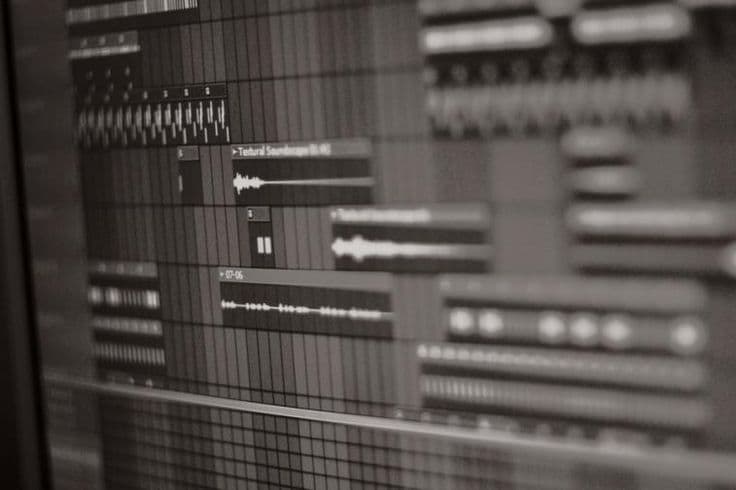
You have an eight-bar loop that sounds great. The drums hit, the bass works, and the melody has something to say. Then you open the Playlist and wonder where the rest of the track is supposed to come from.
That is what I call Beat Loop Syndrome: an idea that keeps getting more polished without becoming a finished piece of music.
The approach here takes inspiration from the sense of progression in deadmau5's music: write the most climactic part of your track first, then build the journey that leads to it. Think of a writer deciding on a story's big moment before working out how the characters get there.
Start with the moment you want to reach
Before worrying about an intro, decide what the track is building towards. It might be a full melodic section, a heavy drop, or the return of a familiar theme with more emotion behind it. The climax does not have to be the loudest moment. It needs to feel like the arrival the track has been preparing you for.
Build a rough version of that section. Bring together the main musical ideas and let them play against each other. Get the feeling right before spending hours on the mix.

Work backwards by revealing less
Once you have your destination, duplicate the section and turn the copy into an earlier part of the track. Ask which elements you can hold back so their arrival later will mean something.
- Keep the chords, but save the lead melody for the climax.
- Introduce a shorter version of the melody, leaving the final phrase unresolved.
- Thin out the percussion or remove the bass for a section.
- Use a more restrained sound, then open it up as the arrangement develops.
For example, your main section might have a lead, chords, bass and a full drum groove. An earlier section could introduce just the chords and a small fragment of the lead. When the complete melody finally arrives with the rhythm section, the listener recognises the idea but hears it in a new context.
Make the transitions tell part of the story
Removing layers gives you a starting arrangement. Next, listen to how each section hands over to the next. A brief pause, a drum fill, a change in note length or a held chord can make an arrival feel deliberate.
Try playing the eight bars before your climax together with its first eight bars. Does the change feel earned? If the earlier section already reveals everything, hold something back. If the jump feels disconnected, carry a small musical detail across the boundary.
Turn the loop into a rough track
In your next session, give this a try:
- Choose one loop and make it your main section.
- Create two earlier variations, each revealing a little less.
- Arrange them in order and add simple transitions.
- Listen from the beginning without stopping to tweak individual sounds.
Make a note of where your attention drops. That is where the arrangement needs a decision: introduce something, change the rhythm, create some space or move to the next section sooner.
You can change the destination as the track develops. Having one simply gives your decisions a direction. The next time you are stuck polishing the same eight bars, try asking: what would make this moment worth waiting for?